

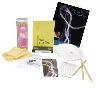
Candling Manual
$9.95
educational manual on candling.

- Description
Description
Candling Manual
The Candling Manual is a practical resource for understanding the fundamentals of egg candling, egg inspection, and the proper techniques used to observe the inside of an egg without breaking the shell. Designed for beginners, learners, hobbyists, poultry enthusiasts, and anyone interested in understanding the egg candling process, this manual provides useful information for developing a better understanding of candling techniques and observations.
Egg candling is a traditional and useful method of examining the interior of an egg by placing it in front of a suitable light source. The light allows certain internal features to become visible through the shell. Depending on the purpose of candling and the stage of incubation, observations may help identify characteristics such as the air cell, yolk movement, blood vessels, embryo development, or abnormalities.
What Is a Candling Manual?
A Candling Manual is a useful learning resource for anyone who wants to understand how egg candling works and how to perform the process correctly. Candling involves using light to examine an egg while keeping the shell intact.
The technique can be used for learning about egg development, fertility assessment, incubation progress, and interior egg quality. Educational poultry resources describe candling as a non-destructive method that can help reveal internal characteristics without opening the egg.
This Candling Manual can help readers understand the basic principles behind the process, the equipment commonly used, appropriate handling techniques, and the types of observations that may be made during candling.
Why Is Egg Candling Important?
Egg candling can provide valuable visual information about an egg without requiring the shell to be opened. For people working with incubated eggs, learning the fundamentals of candling can make it easier to understand changes that occur during development.
During candling, a suitable light is directed toward the egg in a dark or dim environment. The light passes through the shell, making some internal structures easier to observe. Depending on the egg and stage of development, a person may observe the air cell, yolk shadow, blood vessels, or other internal features.
For educational purposes, candling can also help beginners understand the differences between developing, non-developing, and abnormal eggs.
Understanding the Egg Candling Process
Learning the egg candling process begins with understanding the correct environment and equipment. A suitable candling light or egg candler should provide enough illumination to allow internal features to be observed while avoiding unnecessary heat exposure.
A darkened environment generally makes candling easier because less surrounding light interferes with the view through the shell. The egg should be handled carefully and positioned appropriately against the light source.
The broad end of an egg is particularly important because the air cell is located there. Educational poultry manuals describe positioning the large end toward the candling light and observing internal characteristics such as the air cell, yolk movement, and visible abnormalities.
Egg Candling Techniques for Beginners
Beginners learning how to candle eggs should focus on careful handling, proper positioning, adequate lighting, and patient observation.
Start by preparing a relatively dark area and selecting a suitable egg candler or light source. Hold the egg gently and position it against the light. Avoid squeezing or dropping the egg during the process.
Slowly rotate the egg while observing the interior. Depending on the development stage, different structures may become visible. With incubated eggs, developing blood vessels and other changes can become visible as development progresses.
The goal is not simply to shine a light through the egg but to learn how to interpret what can be seen. This is why a Candling Manual can be particularly useful for beginners who are unfamiliar with the process.
Equipment Used for Egg Candling
The basic equipment required for egg candling can be relatively simple. A suitable egg candler or concentrated light source is generally the most important item.
Modern egg candlers commonly use LED lighting because it provides strong illumination in a compact format. Traditional methods have also used other light sources. The appropriate equipment depends on the number of eggs being examined and the purpose of the inspection.
For individual examination, a handheld or individual egg candler may be convenient. Larger operations can use specialized candling equipment designed to examine multiple eggs. Poultry manuals also describe individual and mass candling systems for different inspection requirements.
What Can You See When Candling an Egg?
One of the most important parts of learning egg candling is understanding what may be visible through the shell.
Depending on the type of egg and its development stage, observations may include:
- Air cell size and position
- Yolk shadow
- Yolk movement
- Blood vessels
- Embryonic development
- Shell abnormalities
- Blood or meat spots
- Cracks or other visible defects
- Signs of non-development
- Changes associated with incubation
Egg quality inspection can also use candling to examine internal characteristics such as albumen condition, yolk appearance, air-cell size, and certain defects.
It is important to remember that the appearance of an egg can vary depending on shell color, egg age, incubation stage, and lighting conditions.
Candling Eggs for Fertility and Incubation
Egg candling is commonly associated with incubation and fertility observation. When an egg has been incubated for an appropriate period, developing blood vessels and other signs may become visible in a fertile, developing egg. An egg that does not show expected development may require further assessment.
For example, poultry education resources commonly describe candling around the first week of incubation to look for developing blood vessels, while subsequent observations can be used to follow development.
The exact timing and appearance can vary by species and incubation conditions, so candling observations should be interpreted carefully.
How to Use a Candling Manual
A Candling Manual can be used as a learning reference before beginning the candling process. Beginners can first become familiar with the terminology and equipment, then learn how eggs should be positioned and observed.
A practical learning approach includes:
- Understand the purpose of egg candling.
- Become familiar with basic candling equipment.
- Prepare a dark or low-light environment.
- Learn how to safely hold and position the egg.
- Observe the egg from different angles.
- Learn the appearance of normal internal structures.
- Compare observations at appropriate stages.
- Record observations when working with multiple eggs.
- Handle eggs carefully throughout the process.
- Review the results and improve observation skills over time.
This step-by-step approach can make the egg candling process easier to understand, particularly for beginners.
Benefits of Learning Egg Candling
Learning egg candling can provide several practical and educational benefits. It allows users to understand egg development without breaking the shell and can introduce beginners to basic poultry incubation and egg inspection concepts.
A Candling Manual can be particularly useful for:
- Poultry beginners
- Hobby farmers
- Incubator users
- Egg-hatching enthusiasts
- Students
- Agricultural learners
- Poultry education programs
- Breeders learning basic candling techniques
The technique can also help users develop better observational skills because candling requires attention to subtle changes inside the egg.
Safe and Careful Egg Handling
Careful handling is important whenever eggs are being candled. Eggs should be held gently and should not be dropped, squeezed, or unnecessarily exposed to extreme temperatures.
When working with incubated eggs, minimizing the time they remain outside their controlled environment can be important. Guidance on egg candling recommends handling eggs carefully and limiting unnecessary removal from incubation conditions.
Users should also follow the instructions appropriate to their specific incubator, poultry species, and egg-handling requirements.
Candling Manual for Beginners
For beginners, the most valuable part of learning egg candling is understanding what to look for rather than simply learning how to position an egg against a light. Developing familiarity with normal and unusual observations can improve confidence over time.
A beginner-friendly Candling Manual can serve as a reference for understanding the terminology, equipment, process, and basic observations involved in candling eggs.
Whether you are learning about incubation for the first time, studying poultry management, or exploring egg inspection techniques, having a dedicated reference can make the learning process more organized.
Frequently Asked Questions
What is a Candling Manual?
A Candling Manual is a learning resource that explains the fundamentals of candling, including equipment, techniques, egg handling, observations, and the basic egg candling process.
What is egg candling?
Egg candling is the process of using a suitable light source to view certain internal features of an egg without breaking the shell. It can be used for incubation, development observation, and egg-quality inspection.
How do you candle an egg?
Place an egg carefully against a suitable candling light in a dark or dim environment and observe its interior. Rotate the egg gently to examine visible internal structures.
What can you see when candling eggs?
Depending on the egg and development stage, you may observe the air cell, yolk shadow, blood vessels, embryo development, or certain abnormalities.
Can egg candling determine fertility?
Candling can provide visual indications of development after incubation has progressed sufficiently. Developing blood vessels and embryonic structures can be visible in fertile, developing eggs.
When should eggs be candled?
The appropriate timing depends on the species and incubation process. Poultry guidance commonly uses candling at specific stages during incubation to observe development.
Is egg candling safe for eggs?
When performed carefully and for an appropriate amount of time, candling is a non-destructive inspection technique. Eggs should be handled gently and unnecessary exposure outside incubation conditions should be minimized.
Who can benefit from a Candling Manual?
Beginners, poultry enthusiasts, hobby farmers, students, breeders, incubator users, and anyone learning about egg candling can benefit from a practical reference covering the fundamentals of the process.
Where can I find professional and specialty supplies?
CBS Beauty Supply offers a broad selection of professional beauty, salon, barber, spa, and specialty products for customers in the USA and worldwide.
Final Thoughts
Candling is a valuable technique for learning more about what is happening inside an intact egg. From understanding the air cell and yolk movement to recognizing developing blood vessels and other internal characteristics, the process provides useful visual information without breaking the shell.
The Candling Manual is a useful starting point for anyone who wants to learn the fundamentals of egg candling and develop better observation skills. By understanding the correct equipment, handling methods, lighting conditions, and basic observations, beginners can approach the egg candling process with greater confidence and consistency.
Related products
-

Flame Retardent Cloth
$3.50Flame Retardent Cloth
Flame retardant materials can be effectively applied to both natural as well as synthetic fibres. Fibres are treated with a chemical which minimizes the fabrics flammability and makes…
-
Plate Guards
$1.95Plate Guard is a unique “spill guard” that promotes independence while minimizing messy spills at meal time. It easily attaches to standard round plates for convenience. It promotes independence, self…

